
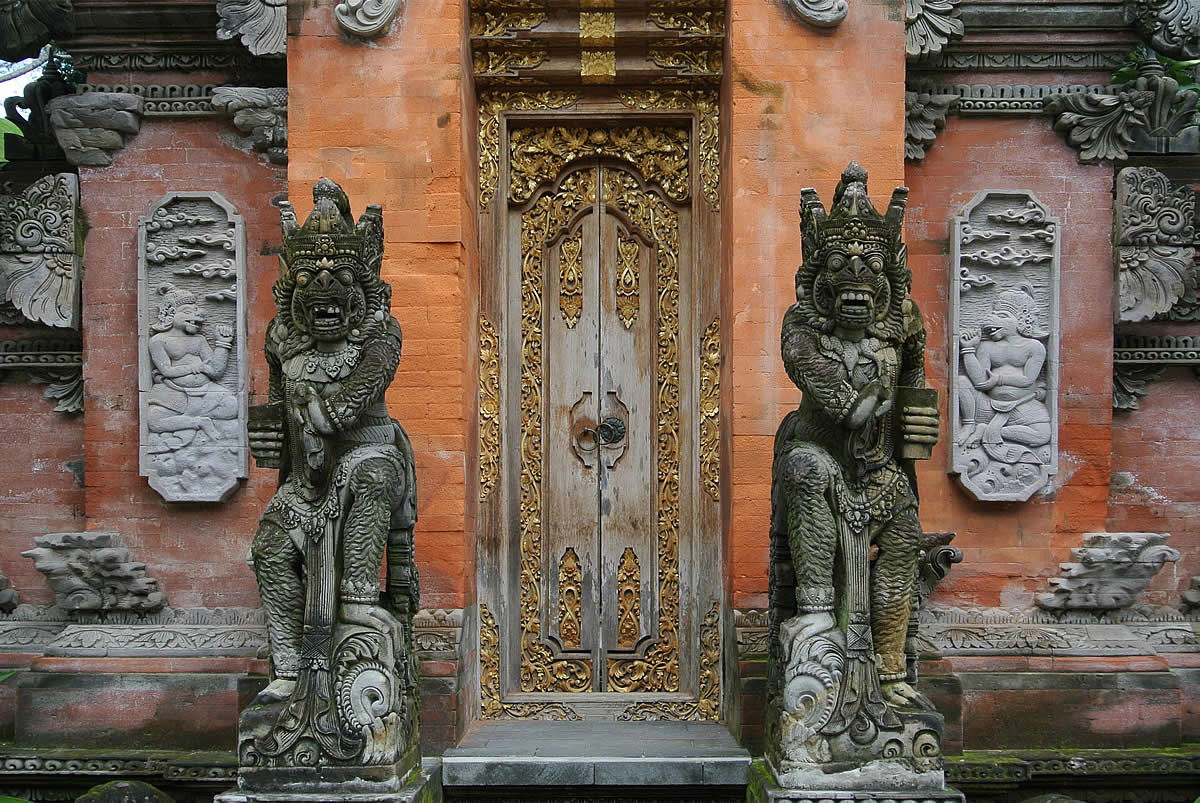
Yoga Bali: Where Ancient Wisdom Meets Modern Practice
Arts & Culture
Sarah stepped off the plane at Ngurah Rai Airport. The humid Bali air embraced her immediately. She had come for a 200-hour teacher training. Within days, she'd discover something unexpected. Bali wasn't just hosting yoga—it had been living it for over a millennium.
The Ancient Roots Run Deep
Yoga arrived in Bali centuries before Instagram made it famous. Historical records confirm its presence since the 9th century CE. Sage Markandeya brought these sacred teachings from India. He traveled to Java first, then to Bali around 500 years ago.
The island’s spiritual DNA is unique. Balinese Hinduism blends Shaivism, Tantra, and Buddhism. This creates what locals call Śiwa-Buddha Religion. Every ceremony, every offering, every dance—it’s all yogic at its core.
Traditional Balinese yoga wasn’t about Instagram-worthy poses. Ancient practitioners focused on meditation and contemplation. They worked with breath, sound, and inner transformation. The sacred syllables “sa-ba-ta-a-i” opened doorways to consciousness.
Meanwhile, in India, yoga evolved differently. The practice began over 5,000 years ago in northern India. The Sanskrit word “yuj” means union—connecting body, mind, and spirit. By the 9th-11th centuries, Hatha yoga texts emerged. The physical practice we know today started taking shape.
Why Bali Became the Modern Yoga Capital
Fast forward to the 1990s. Western teachers discovered Bali’s magic. They found something India couldn’t quite offer. The combination was irresistible: spiritual depth with modern comfort.
Ubud became ground zero. The town sits among terraced rice fields and ancient temples. The atmosphere promotes natural healing. Daily ceremonies fill the air with incense and chanting. Mountains provide cool retreat spaces. Beaches offer sunset meditation spots.
The infrastructure matters too. Clean studios with professional equipment. Vegetarian restaurants serving fresh organic food. Reliable wifi for staying connected. English-speaking locals who understand Western needs. All of this at prices far below Western cities.
Moreover, Bali is safer than India for solo travelers. Women feel more comfortable exploring alone. Health standards are higher. The island remains modern while honoring tradition.
The BaliSpirit Festival launched in 2008. It became a pioneer for international yoga festivals. Thousands gather each April for yoga, dance, music, and healing. Over 200 workshops happen across six days. Participants come from 60+ countries.

Who Comes to Bali for Yoga?
The demographics tell a fascinating story. Globally, approximately 300 million people practice yoga. The industry reached $107 billion in 2023. Experts predict $215 billion by 2027.
Women dominate the practice worldwide. They make up 72-80% of practitioners. The strongest demographic? Women aged 30-49. However, male participation is growing. Men’s numbers jumped from 4 million to 14 million in the US alone.
In Bali’s yoga scene, the typical student looks like this:
- Age 25-45, predominantly female
- College-educated with disposable income
- Seeking career change or personal transformation
- Often from Australia, Europe, or North America
- Spending $1,800-$3,500 for teacher training
- Staying 3-4 weeks on average
Teacher training programs have exploded. Over 15,000 people become yoga teachers globally each year. Bali hosts hundreds of these programs. Popular schools include ULU Yoga, Yoga Union, House of Om, and Shades of Yoga.
Class sizes vary dramatically. Intimate programs cap at 12-25 students. Larger operations handle 50+ students per month. Most programs offer 200-hour Yoga Alliance certification. Advanced 300-hour and 500-hour programs attract experienced teachers.
The Reality of Teaching in Bali
Maria completed her training in Ubud. She felt transformed and ready. Then reality hit. Finding steady work proved challenging. The market had become saturated.
Here’s the uncomfortable truth: Too many teachers chase too few jobs. Bali attracts thousands of newly certified instructors yearly. Local studios receive dozens of applications for single positions. The competition is fierce.
Monthly income for yoga teachers ranges from $1,000 to $3,000 USD. However, sustainable income rarely comes from studio classes alone. A typical studio class pays 100,000-150,000 IDR ($6-10 USD). Teachers need 15-20 classes weekly to survive. Most studios can’t offer that many hours.
Successful instructors diversify income streams. They lead teacher trainings ($3,000-$4,000 for 25 days). They offer private sessions ($50-100 per hour). They create retreats and workshops. They build online courses. They sell yoga-related products.
The work permit situation adds complexity. Teachers need an IMTA (work permit) to legally earn money. This requires Indonesian company sponsorship. The process takes approximately 8 weeks. Tourist visas don’t permit teaching. Violations result in deportation.
Geographic location affects earnings significantly. Canggu and Seminyak pay more than rural areas. Tourist-heavy zones offer better opportunities. But competition increases proportionally.
Additionally, many positions involve trade arrangements. Teachers receive accommodation and meals instead of cash. This works for traveling teachers. It doesn’t support long-term residents. Finding balance requires entrepreneurial thinking.
The Major Players
Several organizations shape Bali’s yoga landscape. Understanding them helps navigate the ecosystem.
Yoga Alliance sets international standards. This US-based organization accredits teacher training programs. RYT 200 (Registered Yoga Teacher 200-hour) is the entry-level credential. RYT 500 represents advanced certification. Most Bali programs seek Yoga Alliance approval.
The Yoga Barn stands as Southeast Asia’s largest yoga center. Located in Ubud since opening. Over 130 classes run weekly. Multiple studios overlook rice paddies. The venue hosts BaliSpirit Festival annually. Founder Meghan Pappenheim created a community hub.
Radiantly Alive opened in 2012. Founder Daniel Aaron built a reputation for quality. The studio offers 46+ weekly classes. Programs include aerial yoga and ecstatic dance. Over 12,000 students visited within three years. The location sits in central Ubud.
BaliSpirit Festival has run since 2008. It pioneered international wellness gatherings in Indonesia. The event draws 3,000+ participants. Workshops cover yoga, dance, healing, and music. The festival supports local charities. Environmental programs benefit Balinese communities.
House of Om specializes in intensive training. The 200-hour program runs 20 days. Students practice in jungle settings near waterfalls. The curriculum balances tradition with modern approaches. Graduates teach worldwide.
ULU Yoga operates in Uluwatu. The ocean-view shala sits near beautiful beaches. Programs include 200-hour, 300-hour, and aerial training. Small class sizes ensure personal attention. The location attracts surf-yoga enthusiasts.
Beyond major schools, countless smaller studios thrive. Each brings unique offerings. Some focus on specific styles like Yin or Ashtanga. Others integrate Balinese healing traditions. The diversity creates rich learning opportunities.
The Balance Sheet: Pros and Cons
Let’s be honest about what Bali offers and what it doesn’t.
The Advantages:
The setting inspires practice naturally. Rice terraces create peaceful backdrops. Temple ceremonies deepen spiritual understanding. Tropical weather permits year-round outdoor practice. The community feels supportive and accepting.
Training quality often exceeds Western programs. Teachers bring decades of experience. Many studied directly with Indian masters. The curriculum blends tradition with innovation. Students receive comprehensive education.
Cost remains affordable compared to Western options. Full teacher training costs $1,800-$3,500. This includes accommodation and meals. The same program costs $5,000-$10,000 in the US or Europe.
Cultural immersion enriches the experience. Students witness daily offerings and ceremonies. They visit sacred temples and healing springs. They learn about Balinese philosophy. The island itself becomes the teacher.
Networking opportunities abound. Students meet practitioners from 60+ countries. Friendships form quickly in intensive settings. Many collaborations begin during training. The global yoga community feels accessible.
The Challenges:
Market saturation creates job scarcity. Hundreds of teachers compete for limited positions. New graduates struggle to establish themselves. Building a client base takes time and persistence.
Legal requirements complicate working arrangements. Work permits require company sponsorship. The process is expensive and bureaucratic. Many teachers work illegally initially. This carries deportation risk.
Income instability affects most teachers. Studio work alone rarely provides sufficient income. Teachers must develop multiple revenue streams. Business skills matter as much as teaching ability.
Cultural differences create occasional friction. Western expectations don’t always match Balinese realities. Language barriers cause misunderstandings. Patience and flexibility become essential.
The physical environment presents challenges. Tropical heat affects practice intensity. High humidity makes some poses difficult. Mosquitoes interrupt outdoor sessions. Rainy season limits outdoor activities.
Competition sometimes undermines community. Teachers vie for the same students. Studios compete for market share. The supportive atmosphere can hide underlying tensions.
Demographics Tell the Story
Understanding who studies in Bali reveals important patterns. Recent surveys show these trends:
Age distribution clusters around specific ranges. Students aged 25-34 represent the largest group (40%). The 35-44 age bracket follows closely (30%). Young practitioners 18-24 make up 15%. Older students 45-60 comprise 15%. The average student is 32 years old.
Gender balance remains heavily female. Women account for 75-80% of training participants. Men represent 20-25%. However, male enrollment increases yearly. Some programs report 30% male students.
National origin varies by season. Europeans dominate February-April programs. Australians arrive during their winter (June-August). Americans prefer January and summer months. Asians mostly come during shoulder seasons.
Educational background skews toward college-educated individuals. Approximately 60% hold bachelor’s degrees. Another 20% have graduate degrees. Only 20% lack formal higher education. This reflects yoga’s demographic generally.
Career backgrounds vary widely. Many students work in healthcare (15%). Corporate professionals seek career transitions (20%). Artists and creatives find yoga appealing (15%). Fitness professionals expand their skills (10%). Retired individuals pursue passion projects (10%). The remaining 30% come from diverse fields.
Financial capacity matters significantly. Students typically spend $3,000-$5,000 total. This covers training, accommodation, food, and activities. Budget travelers manage with $2,500. Luxury seekers spend $7,000+. Most programs offer payment plans.
Previous yoga experience varies considerably. Complete beginners comprise about 20%. Intermediate practitioners represent 50%. Advanced students make up 30%. Programs accommodate all levels. However, some recommend six months’ practice minimum.
Looking Forward
The yoga landscape in Bali continues evolving. Several trends are shaping its future.
Specialization is increasing. Generic yoga teacher training faces more competition. Niche programs attract dedicated students. Aerial yoga, yin yoga, and trauma-informed yoga grow popular. Sound healing integration appeals to many. Ayurveda-yoga combinations offer holistic approaches.
Online education changes the model. Hybrid programs combine online theory with in-person practice. This reduces costs and time commitments. Students complete portions remotely before arriving. The trend will likely continue.
Sustainability concerns grow louder. Students increasingly value eco-conscious studios. They seek programs supporting local communities. Environmental responsibility influences school selection. Studios respond with green initiatives.
Indonesian government regulations tighten. Work permit enforcement increases. Legal compliance becomes essential. Studios face more scrutiny. Teachers must operate transparently.
Quality standards rise steadily. Students research thoroughly before committing. Reviews and testimonials carry weight. Poor programs lose market share. Excellence distinguishes successful schools.
Local Balinese involvement increases. More Indonesian teachers lead programs. Cultural authenticity matters to students. True integration benefits everyone. The Western-dominated scene is diversifying.
Business models continue evolving. Successful teachers think entrepreneurially. They build personal brands online. They create digital products. They offer coaching beyond yoga. Adaptability determines long-term success.
Technology integration expands. Virtual reality might enhance training. Apps supplement in-person learning. Social media drives marketing. Technology becomes indispensable.
Wellness tourism grows regionally. Other Indonesian islands develop yoga offerings. Lombok and Gili Islands attract practitioners. Competition spreads geographically. Bali must maintain its unique appeal.
Despite challenges, Bali’s yoga future looks bright. The island’s spiritual authenticity cannot be replicated. The infrastructure continues improving. The global yoga market expands. Bali’s position as a premier destination remains secure.
For aspiring teachers, success requires realistic expectations. Excellence in teaching matters most. Business acumen comes second. Networking opens doors. Flexibility enables survival. Persistence pays off eventually.
For students, Bali offers genuine transformation. The experience extends beyond certification. Personal growth happens inevitably. Friendships formed here last lifetimes. The island leaves permanent imprints.
The ancient Balinese knew something profound. Yoga isn’t separate from life—it is life. This wisdom permeates the island still. Those who come seeking find more than poses. They discover a way of being. They encounter authentic community. They touch something eternal.
Sarah finished her training three years ago. She now teaches online and leads Bali retreats annually. The certification opened doors. The experience changed everything. Bali gave her more than a career. It gave her a calling.
The Island of the Gods continues its sacred work. It welcomes seekers from everywhere. It honors ancient traditions while embracing innovation. It challenges and nurtures simultaneously. It remains yoga’s most magical destination.
Sources and References
- Balinese Yoga. “Balinese Yoga & Yoga in Bali.” balineseyoga.org
- The Jakarta Post. “Dharma Pātañjala: a compelling look at yoga practices in ancient Bali.” thejakartapost.com/life/2019/03/11/dharma-ptajala-a-compelling-look-at-yoga-practices-in-ancient-bali.html
- Exercise.com. “100+ Yoga Statistics, Trends, + Facts for Yoga Professionals in 2025.” exercise.com/grow/yoga-statistics
- Yogi Times. “Yoga statistics 2025: trends, participation, and growth.” yogitimes.com/article/unstoppable-trend-yoga-infographic-business
- Kerala Yoga Shala. “100+ Blissful Yoga Statistics 2025: Global Yoga Trends & Facts.” keralayogashala.com/yoga-statistics
- Emerhub. “Guide to Teaching Yoga in Bali.” emerhub.com/bali/teaching-yoga-in-bali
- Viskal. “Foreign Yoga Instructors in Bali: Complete Legal & Financial Compliance Guide for 2025.” viskal.id/2025/07/17/foreign-yoga-teacher-bali-legal-compliance-guide
- The Yoga Nomads. “How to Find a Yoga Teaching Job Abroad.” theyoganomads.com/how-to-find-a-yoga-teaching-job-abroad
- Shades of Yoga. “Yoga Teacher Training Bali, Ubud – RYT 200.” https://shadesofyoga.com
- All Yoga Training. “200 Hour Yoga Teacher Training in Bali 2025.” allyogatraining.com/yoga-teacher-training-bali